Waste Wood Recycling & Shredding Solutions
Powerful industrial shredders for scrap and waste wood recycling
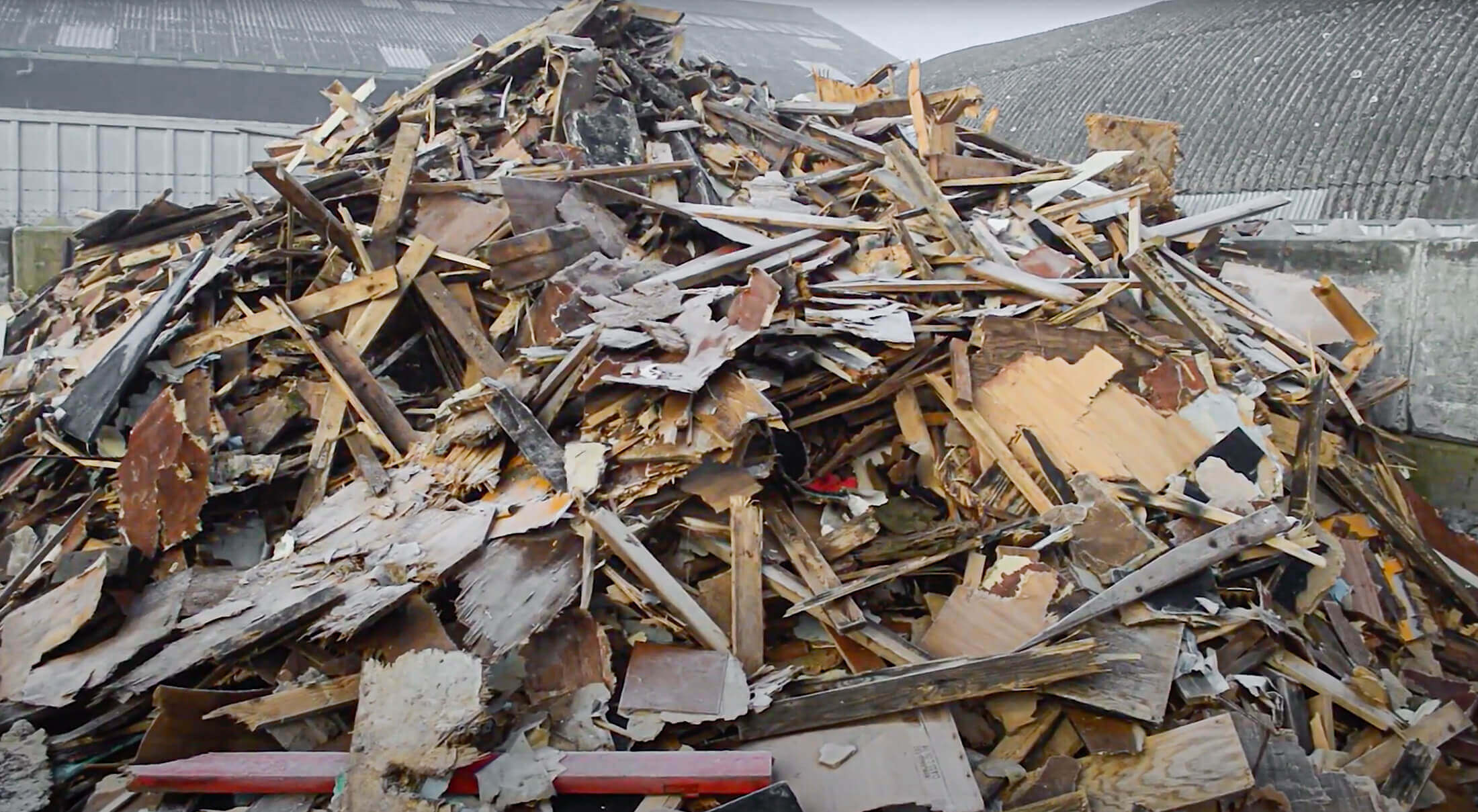
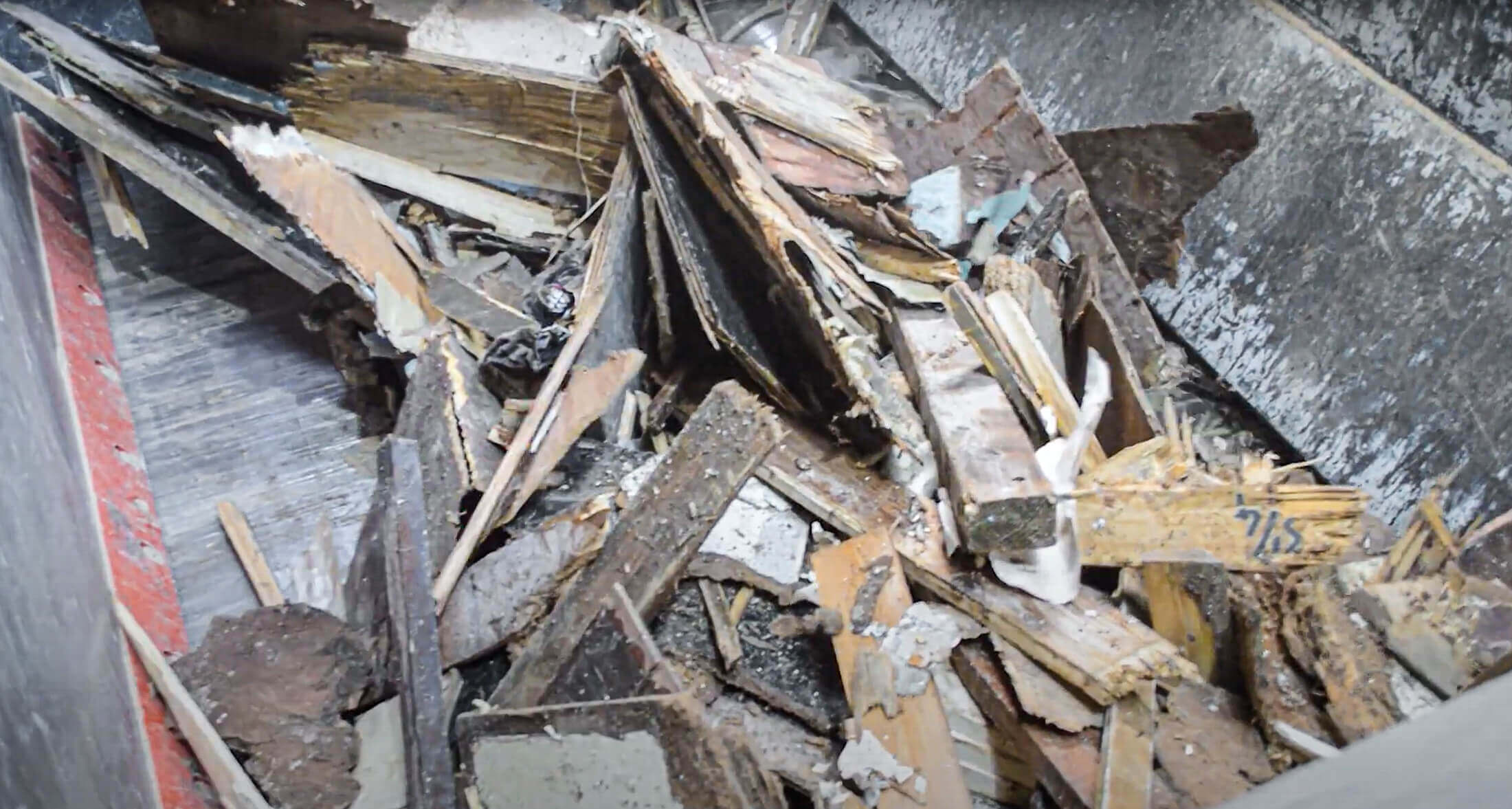
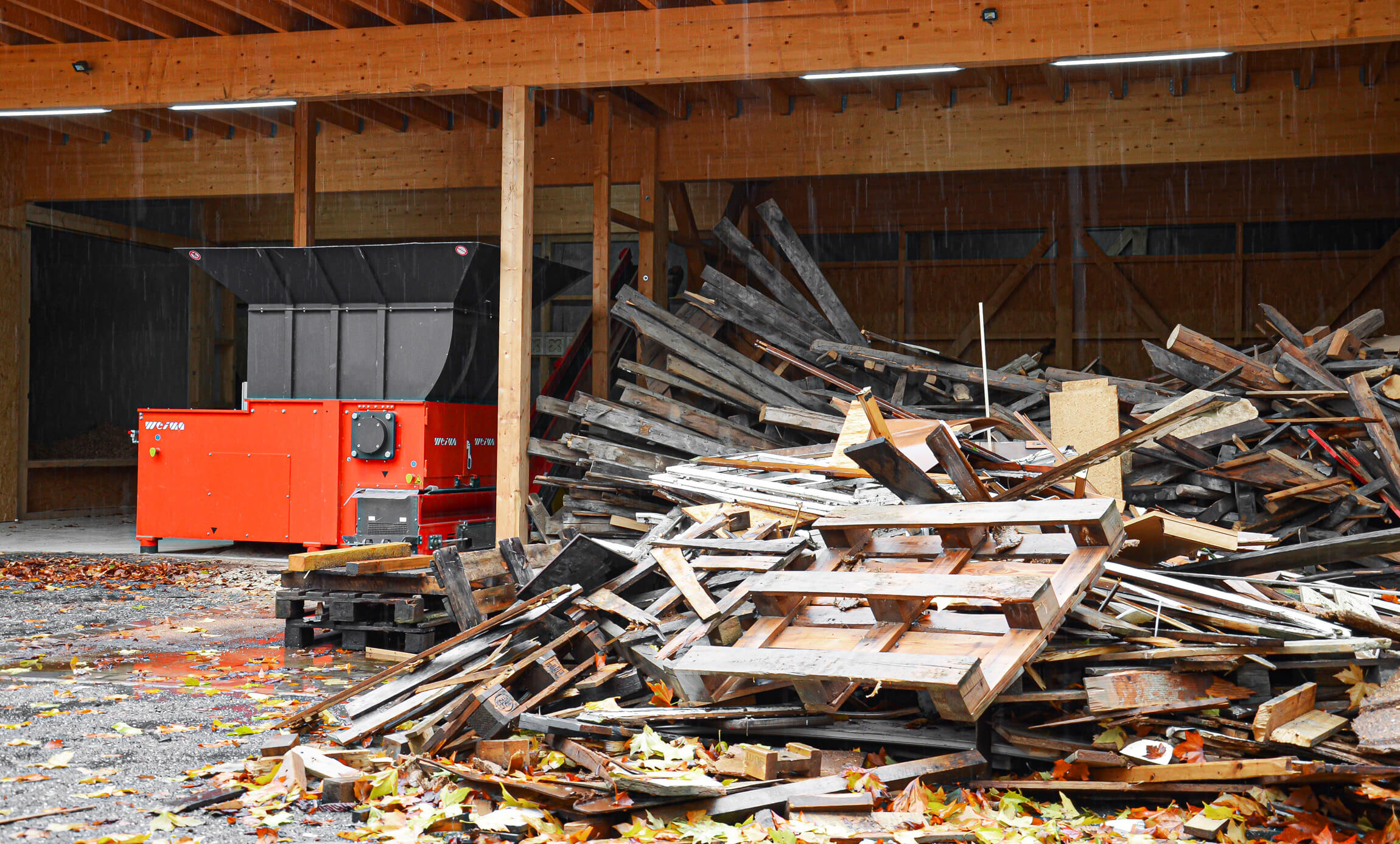
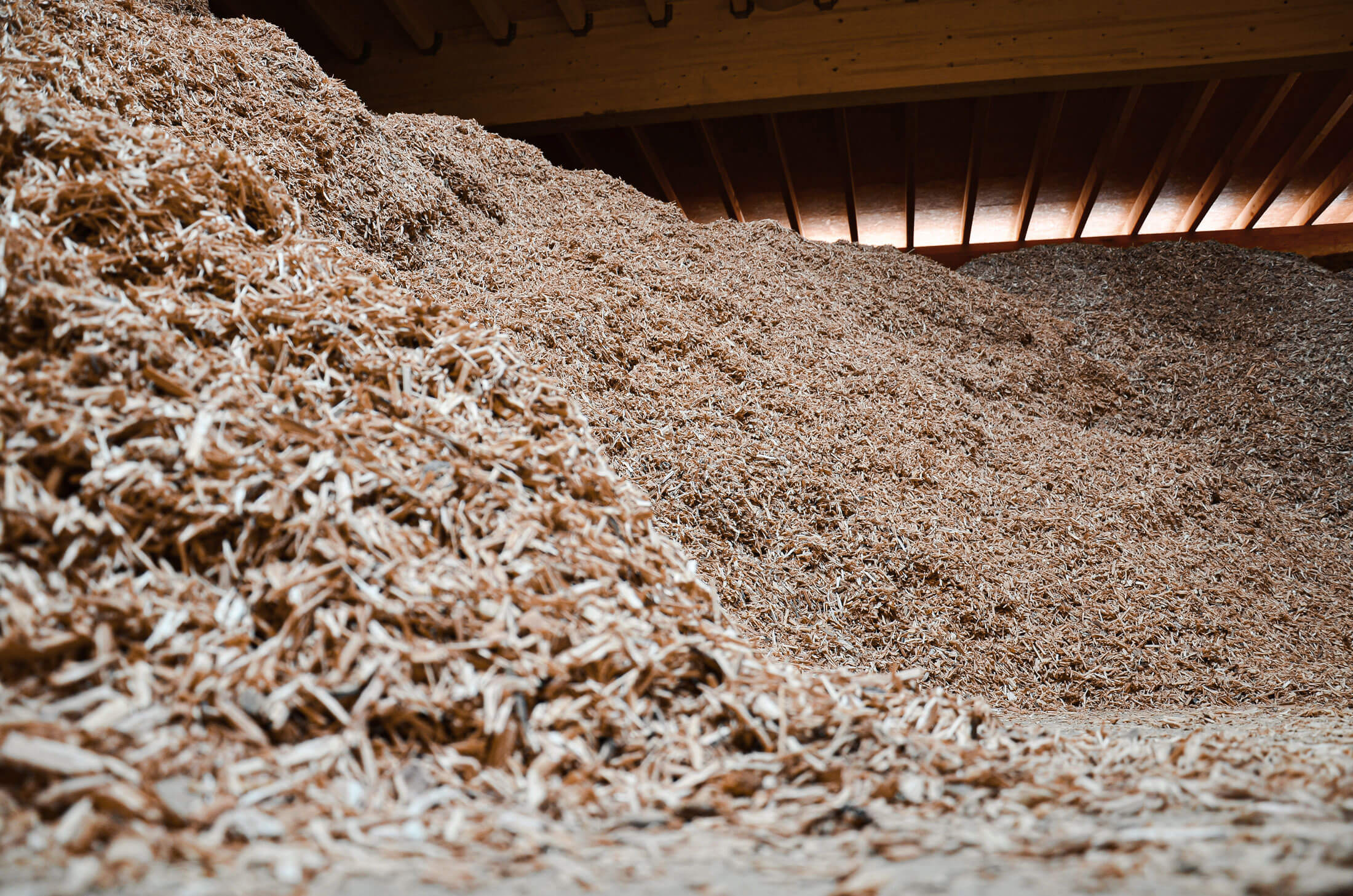
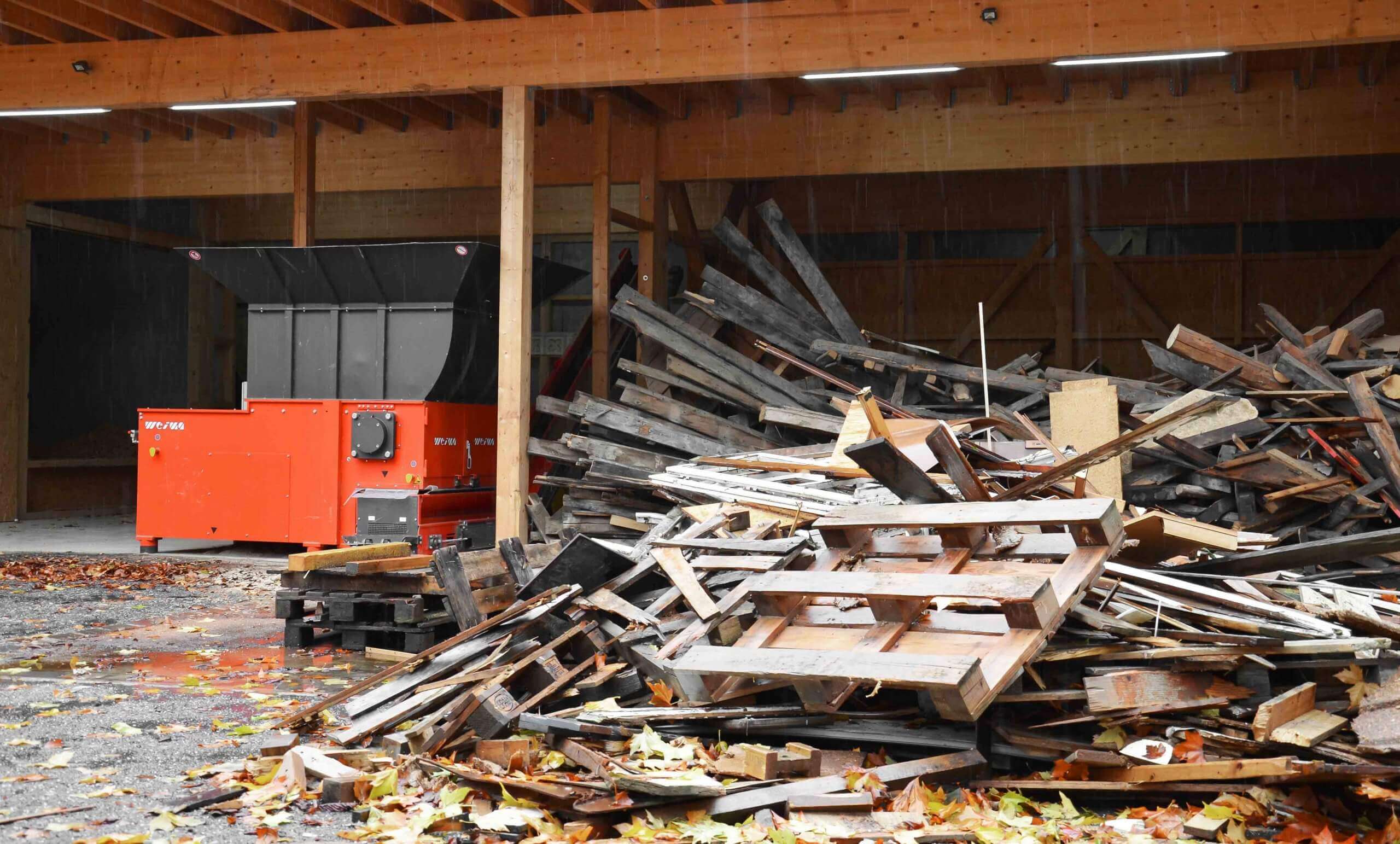
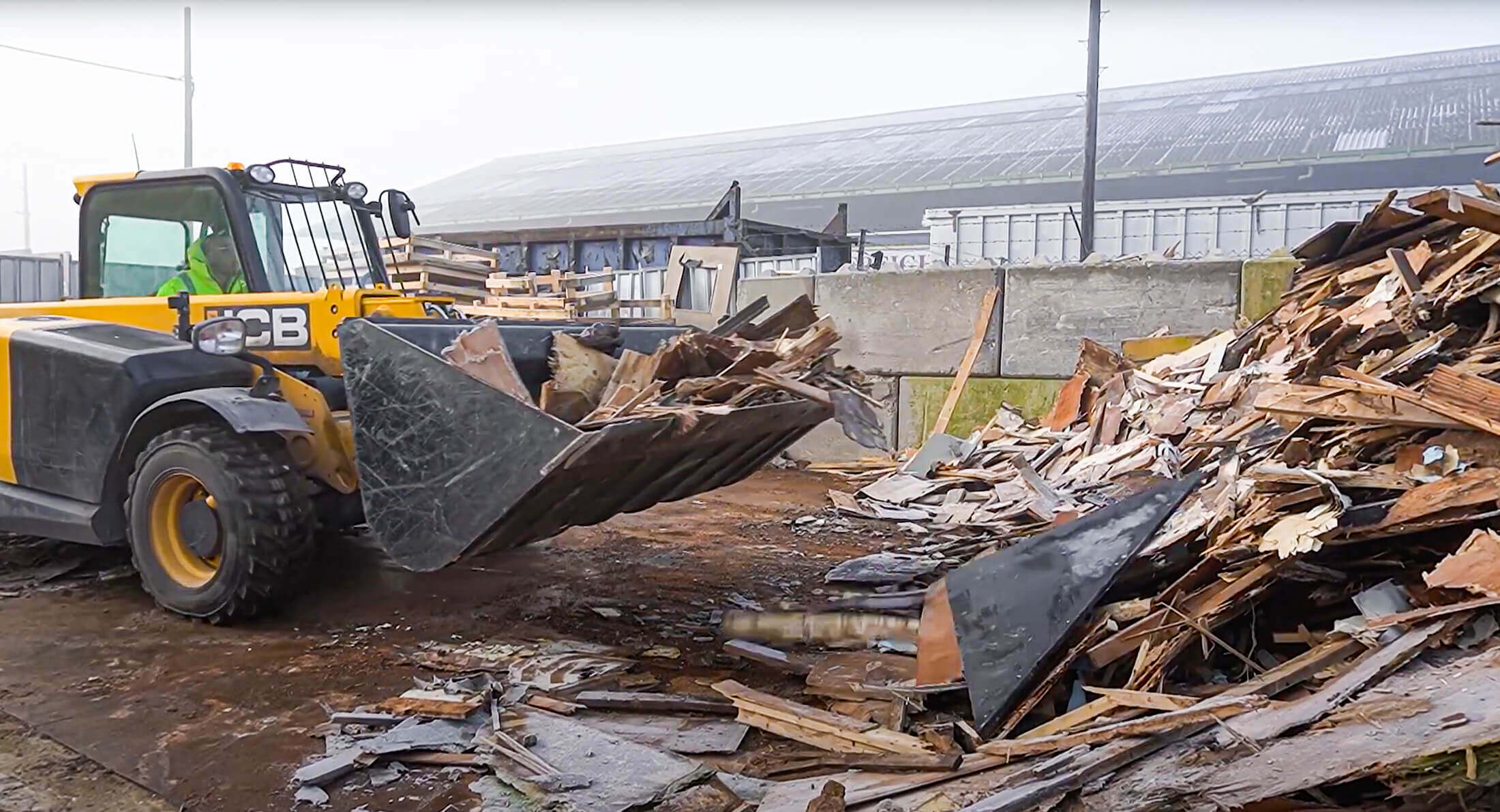
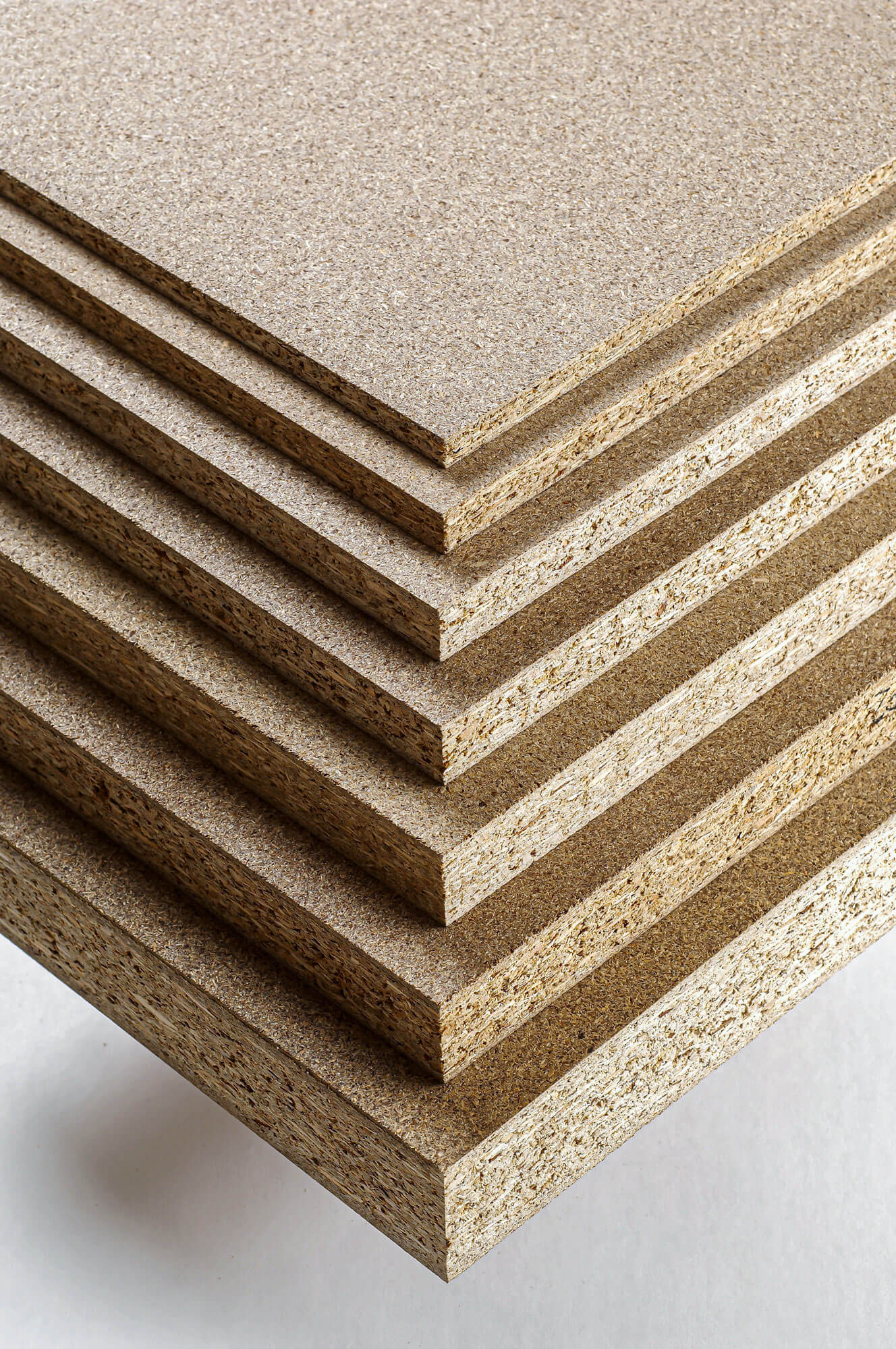
Every year, around 10 million tons of waste wood are generated in Germany that need to be disposed of or recycled. This includes first and foremost waste from the construction and demolition industries, followed by industrial waste wood, so-called used wood from bulky waste and municipal waste – and, of course, packaging residues such as pallets or crates. After collection and sorting, there are two options: Recycle scrap wood and use it as a basis for the production of particleboard. Or use it thermally to generate energy | heat.
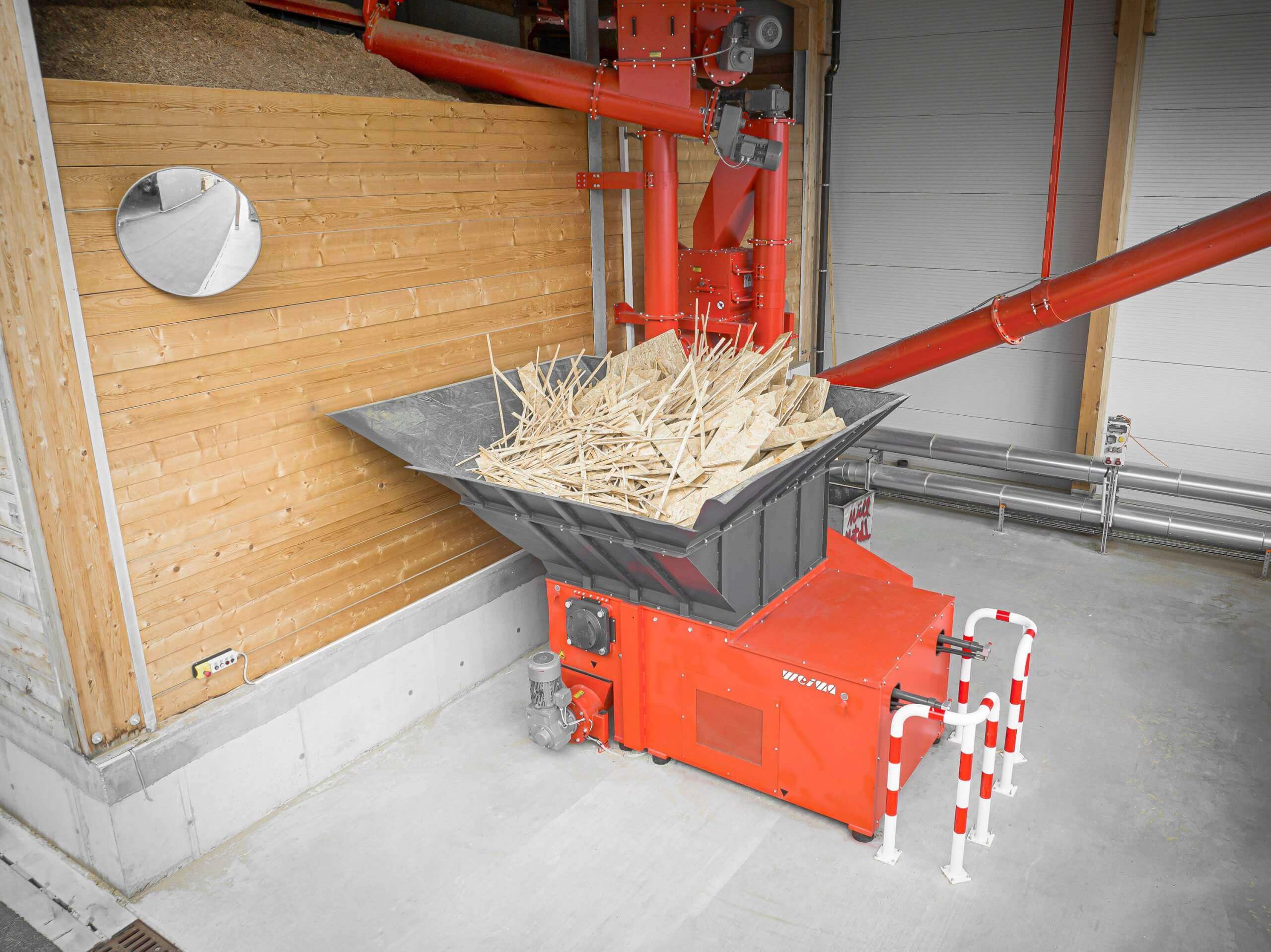
In both cases, WEIMA's single- or multi-stage shredding technology is used to either coarsely crush the waste wood first or to reduce it to a homogeneous chip size. If required, we can also supply the appropriate conveying technology, including metal separation via magnet, or an entire heating system, or we will be happy to advise you.
Customer applications: Waste wood shredding with WEIMA
Practical examples of successful shredding with WEIMA shredders




Want to tackle your waste problem?
Request a customized shredding solution now.
WEIMA portfolio for shredding waste wood
The right machine for every material


Didi you know?
Statistically, this results in an annual quantity of 113 kilograms of waste wood per inhabitant in Germany.
Recycling waste wood
The most important facts at a glance
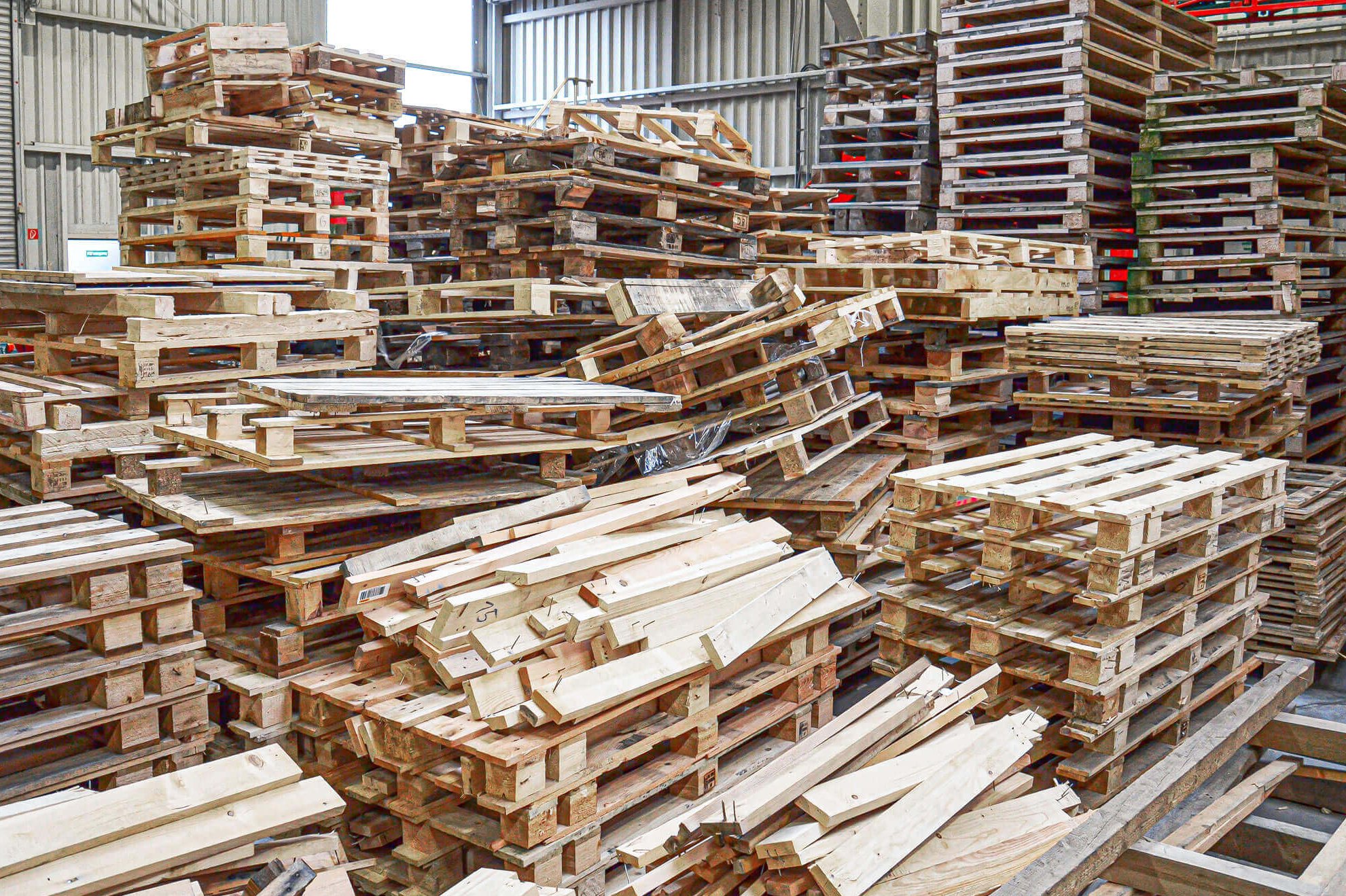
Wood pallets shredding with WEIMA
Learn more about shredding pallets with WEIMA shredders here:

See for yourself.
Have your material tested free of charge in our showroom.
Frequently Asked Questions about waste wood shredding
Everything you need to know about safely and efficiently shredding waste wood.
What kinds of wood waste can a WEIMA shredder handle?
WEIMA shredders can process a wide range of waste wood, including pallets, construction timber, furniture waste, crates, offcuts, OSB and MDF panels, windows, doors, and mixed industrial wood residues. Both softwood and hardwood — treated or untreated — can be reduced reliably. Even bulky, irregular, or high-volume wood streams are handled efficiently with the right machine configuration.
How does a typical waste wood recycling process with WEIMA work?
The workflow follows a straightforward sequence: collect and sort wood waste, feed it into the shredder, reduce it to uniform chips, and optionally separate contaminants such as metals or oversized pieces. The shredded wood can then be used as biomass fuel, as raw material for chipboard or panel production, for composting or mulching, or for volume reduction prior to transport. Each line can be tailored to your layout, throughput, and downstream processing requirements.
Which WEIMA shredders are best suited for waste wood?
WEIMA offers several machine series for wood applications, including WL single-shaft shredders for industrial wood waste, horizontal WLH models for long materials, and heavy-duty units from the W5, WLK, or S7 series for high-volume or demanding operations. The right choice depends on incoming material size, contamination level, desired chip quality, and throughput. Smaller facilities benefit from compact WL machines, while large recyclers or biomass processors often choose high-capacity models.
What does the shredded output look like, and how can it be used?
The shredder produces uniform wood chips suitable for a wide range of applications. These chips can be burned in biomass boilers, used as input for particleboard production, processed into mulch, or utilized as a secondary raw material. Uniform particle size also improves storage, conveying, and handling across the value chain. Many users replace costly disposal with profitable reuse of shredded wood.
Can WEIMA shredders handle contaminated or mixed waste wood?
Yes. WEIMA shredders are built to handle wood containing nails, screws, metal fittings, coatings, or paint. Pre-sorting is still recommended to reduce wear and improve overall product quality. For heavily contaminated material, the shredded chips are often used for energy recovery rather than for material recycling. Wear protection options ensure long-term reliability even under abrasive conditions.
What are the main benefits of shredding waste wood?
Shredding significantly reduces volume, making storage and transport more efficient. It turns wood waste into a valuable secondary resource and supports circular economy practices. Companies save disposal costs, achieve cleaner material streams, and gain flexibility in how wood waste is reused. Reduced logistics effort and improved downstream processing make shredding a cost-effective solution for many industries.
How reliable are WEIMA waste wood shredders, and what maintenance is required?
WEIMA shredders are engineered for industrial environments with heavy steel construction, wear-protected cutting chambers, and efficient rotor designs. Regular inspections of knives, screens, and the cutting chamber help maintain consistent chip quality. Maintenance routines are simple due to easy access, modular design, and readily available wear parts. With proper service, the machines operate reliably in continuous or multi-shift applications.
What are you looking for?
Explore all WEIMA solutions

