Efficient Polyurethane Foam (PU Foam) Shredding & Briquetting Solutions
Our industrial shredders and briquette presses transform bulky foam waste into compact briquettes – drastically reducing volume and disposal costs
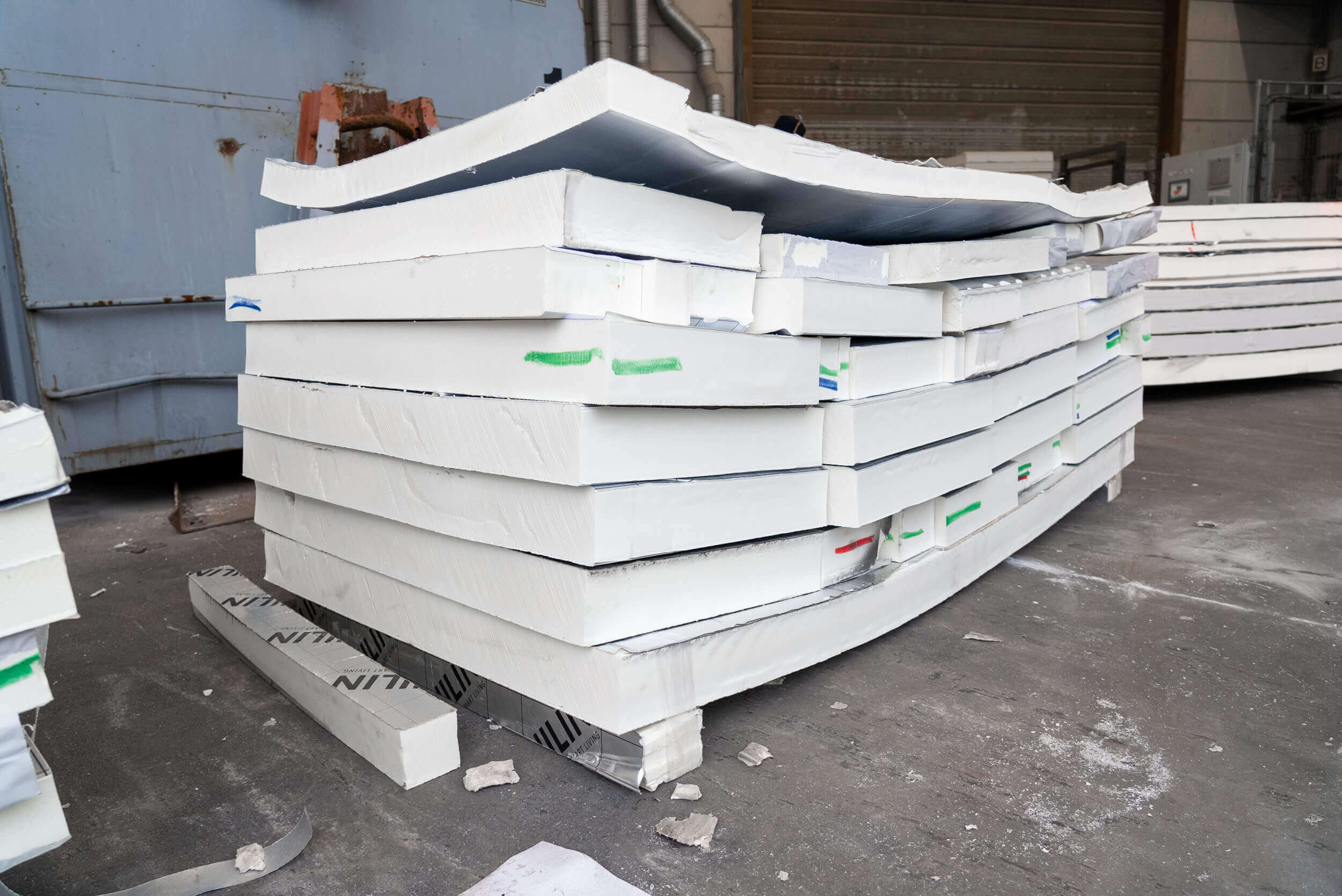
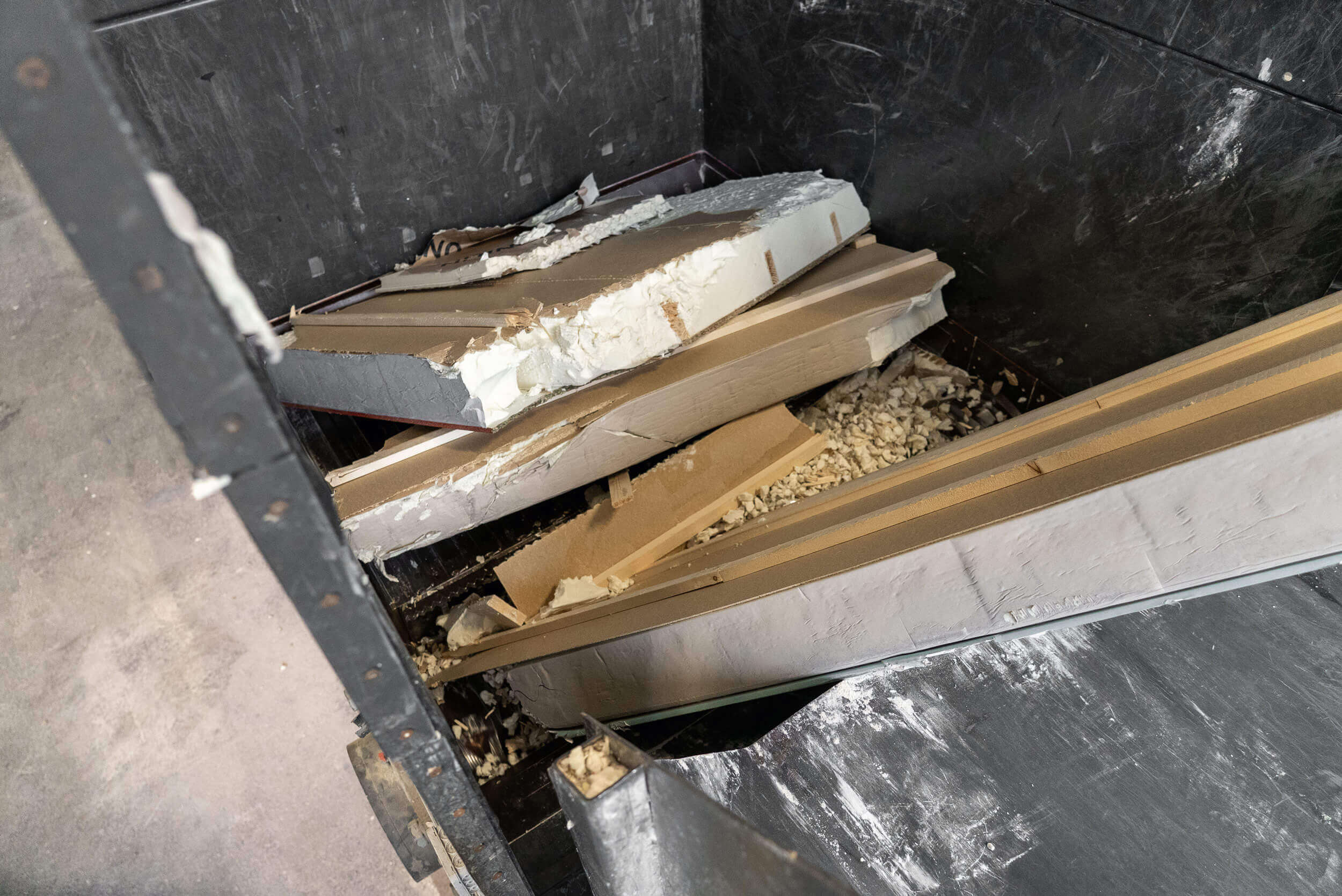
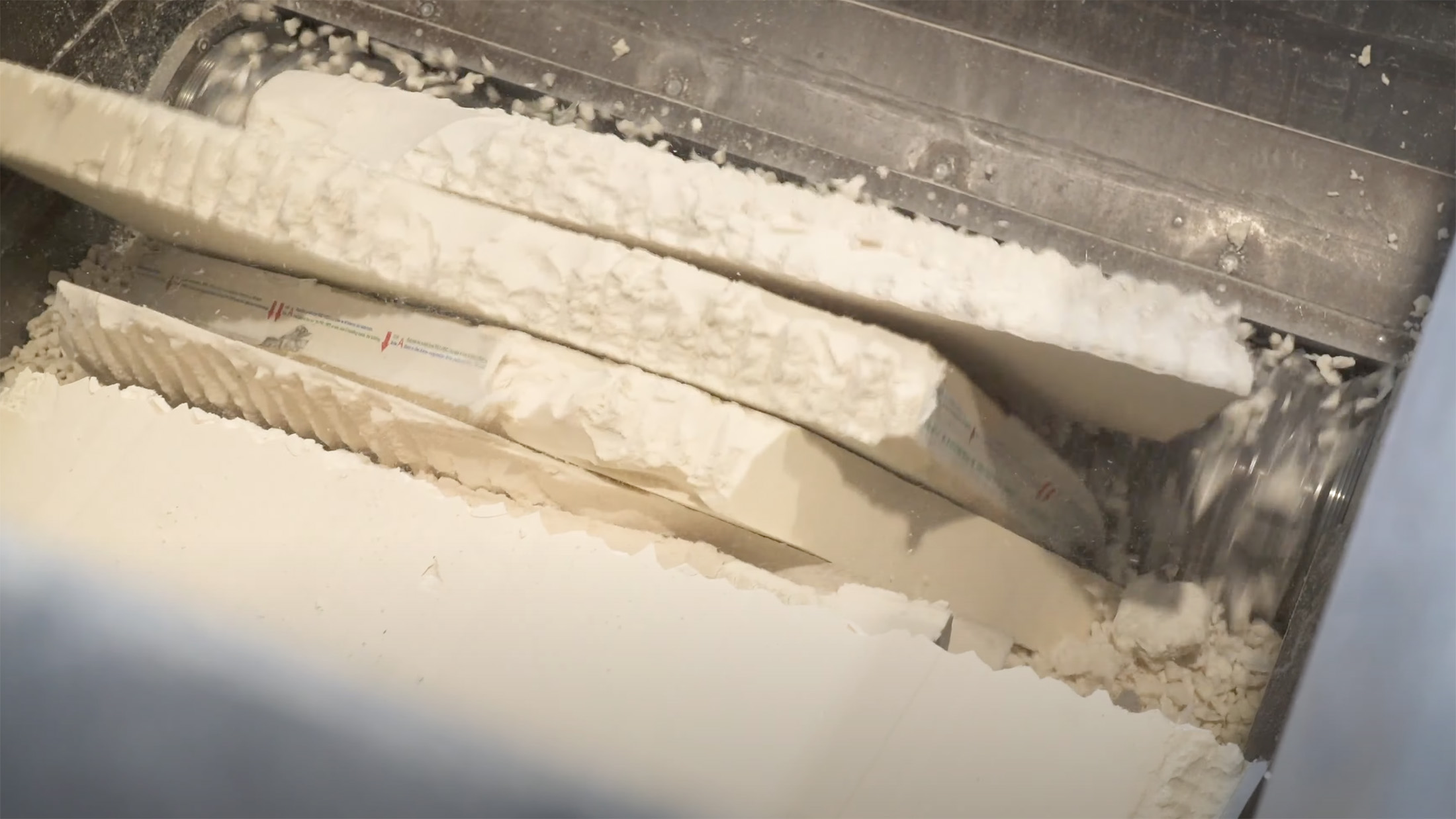
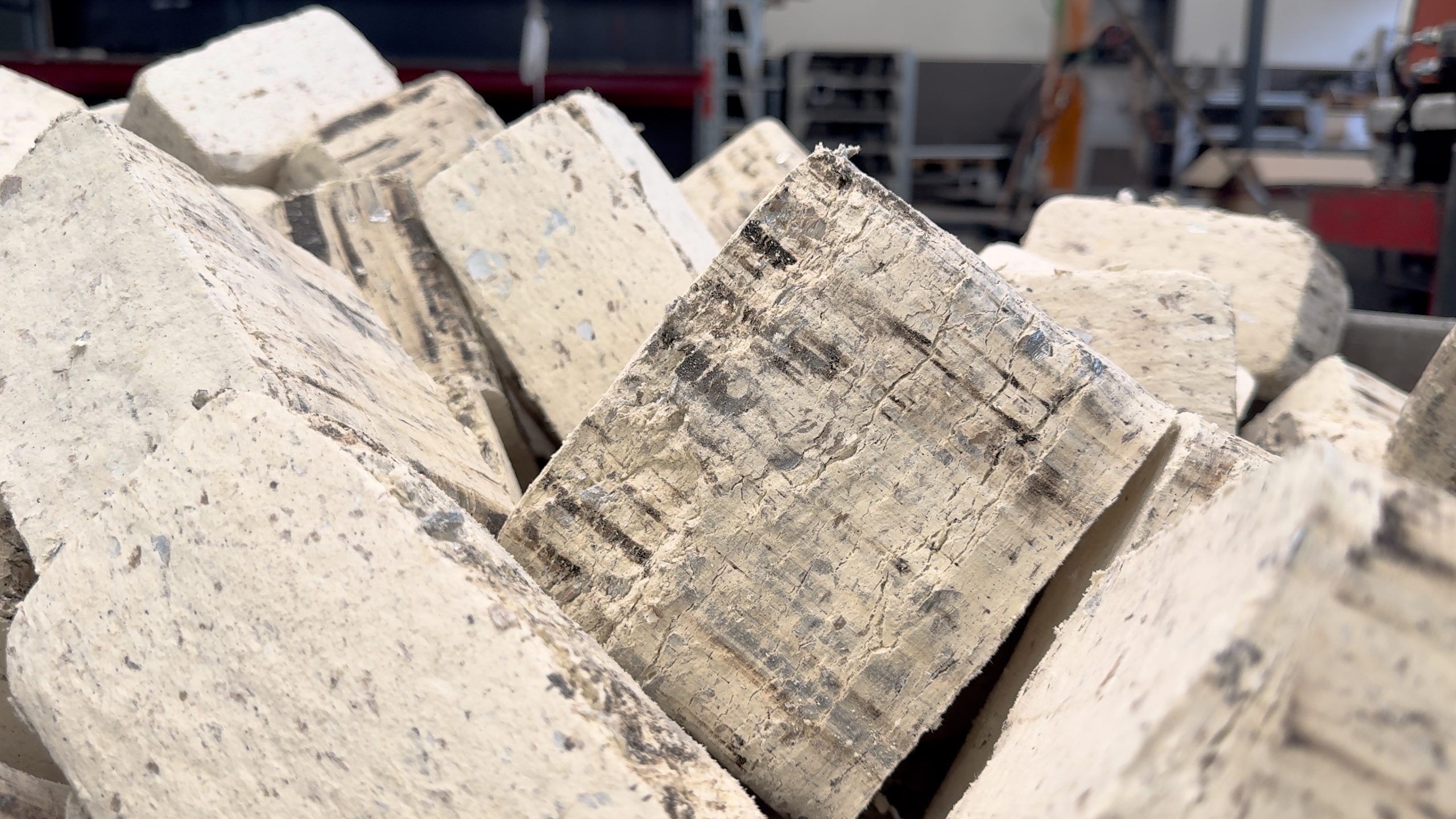
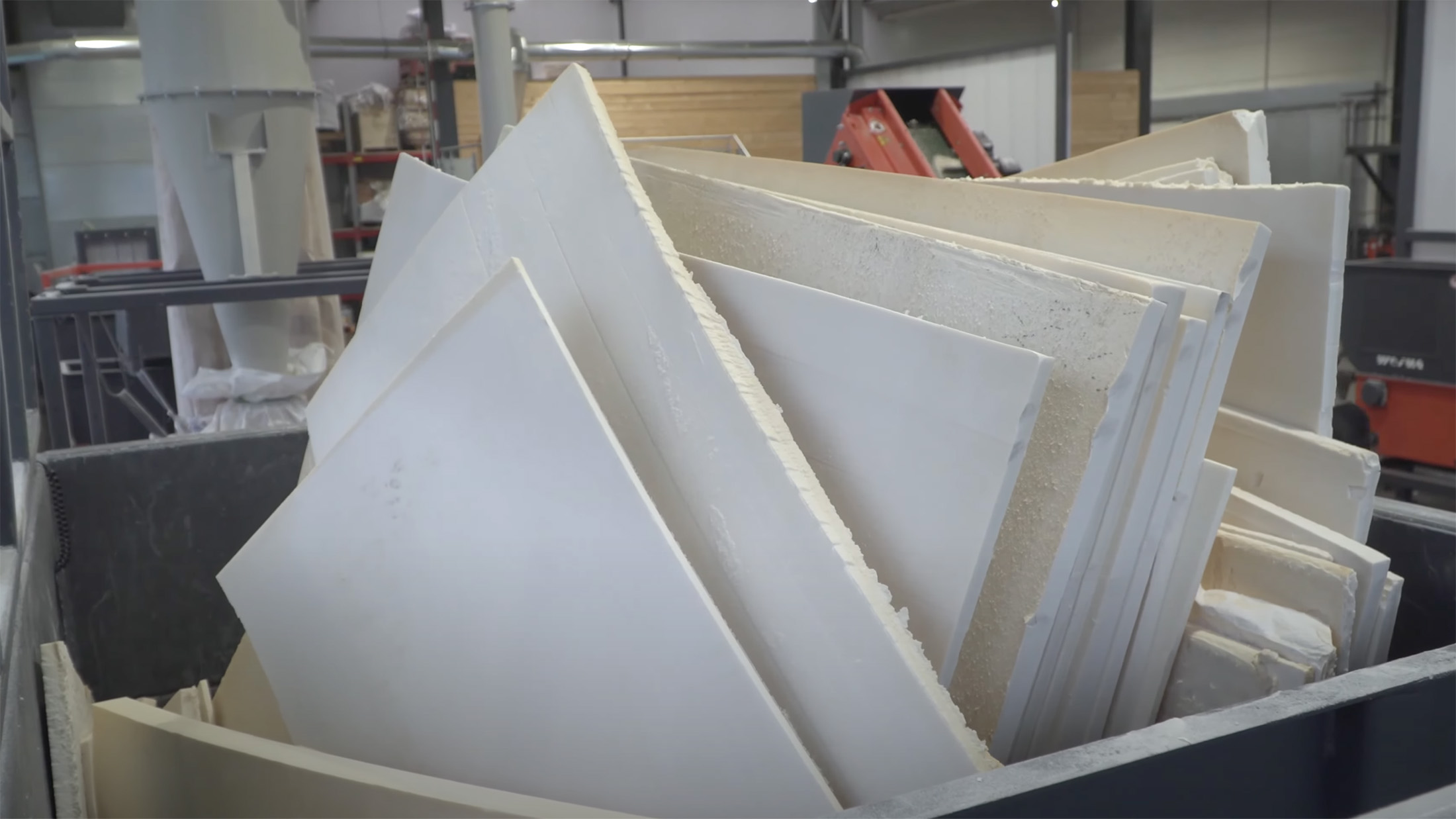
Polyurethane foam (PU foam) is a waste material in many sectors, from the furniture and upholstery industry to packaging manufacturers and the construction industry (e.g. insulation boards). The problem: PU foam is extremely voluminous and lightweight. Loose foam residues take up enormous storage space and make transportation and disposal inefficient and expensive. PU foam waste is often incinerated or landfilled for lack of better options, which is neither economical nor sustainable. There is a need for action here to save space, reduce costs and conserve valuable resources.
Customer applications: PU foam shredding and briquetting with WEIMA
Practical examples of successful shredding and briquetting with WEIMA machines

Want to tackle your waste problem?
Request a customized shredding solution now.
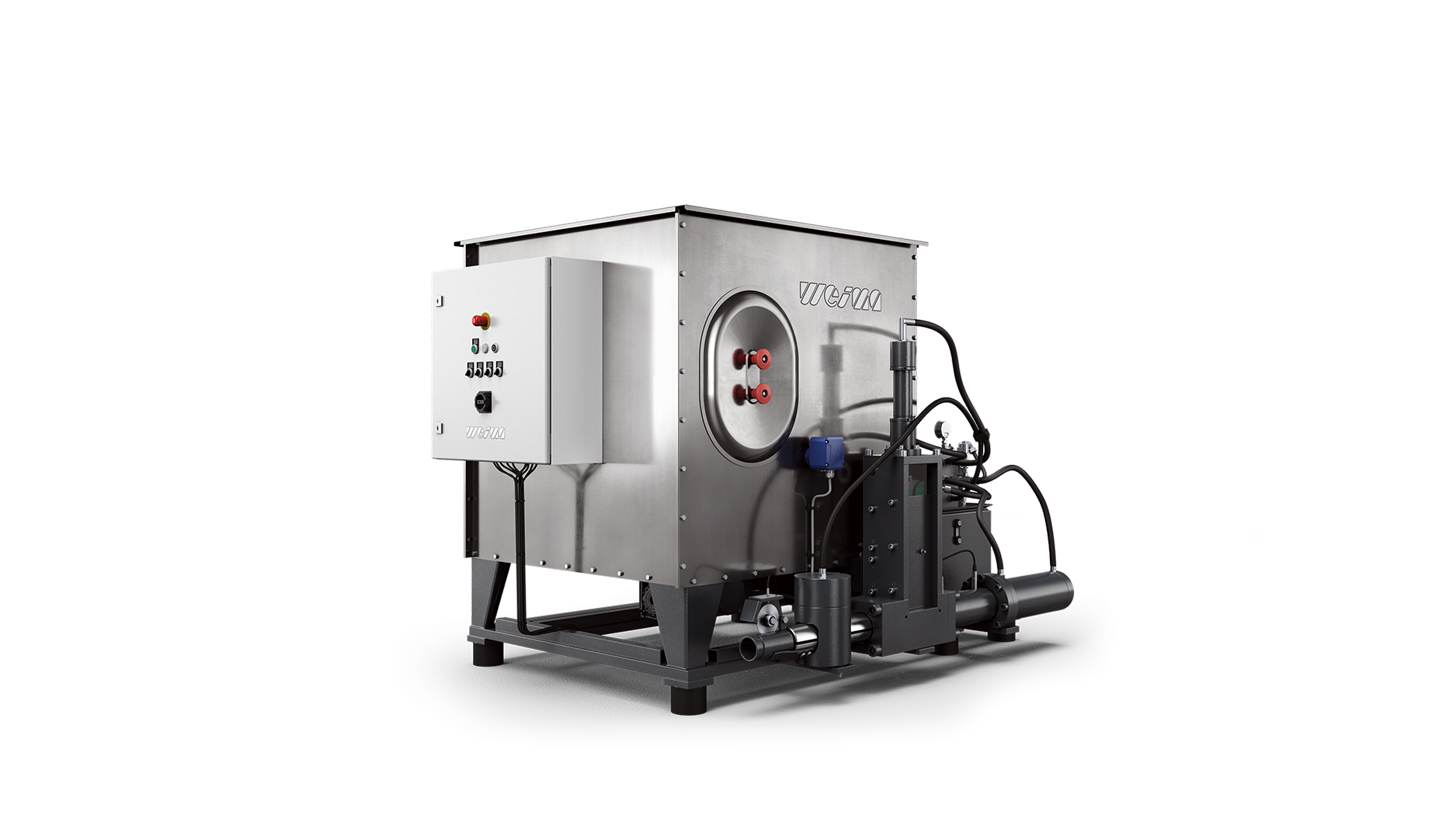
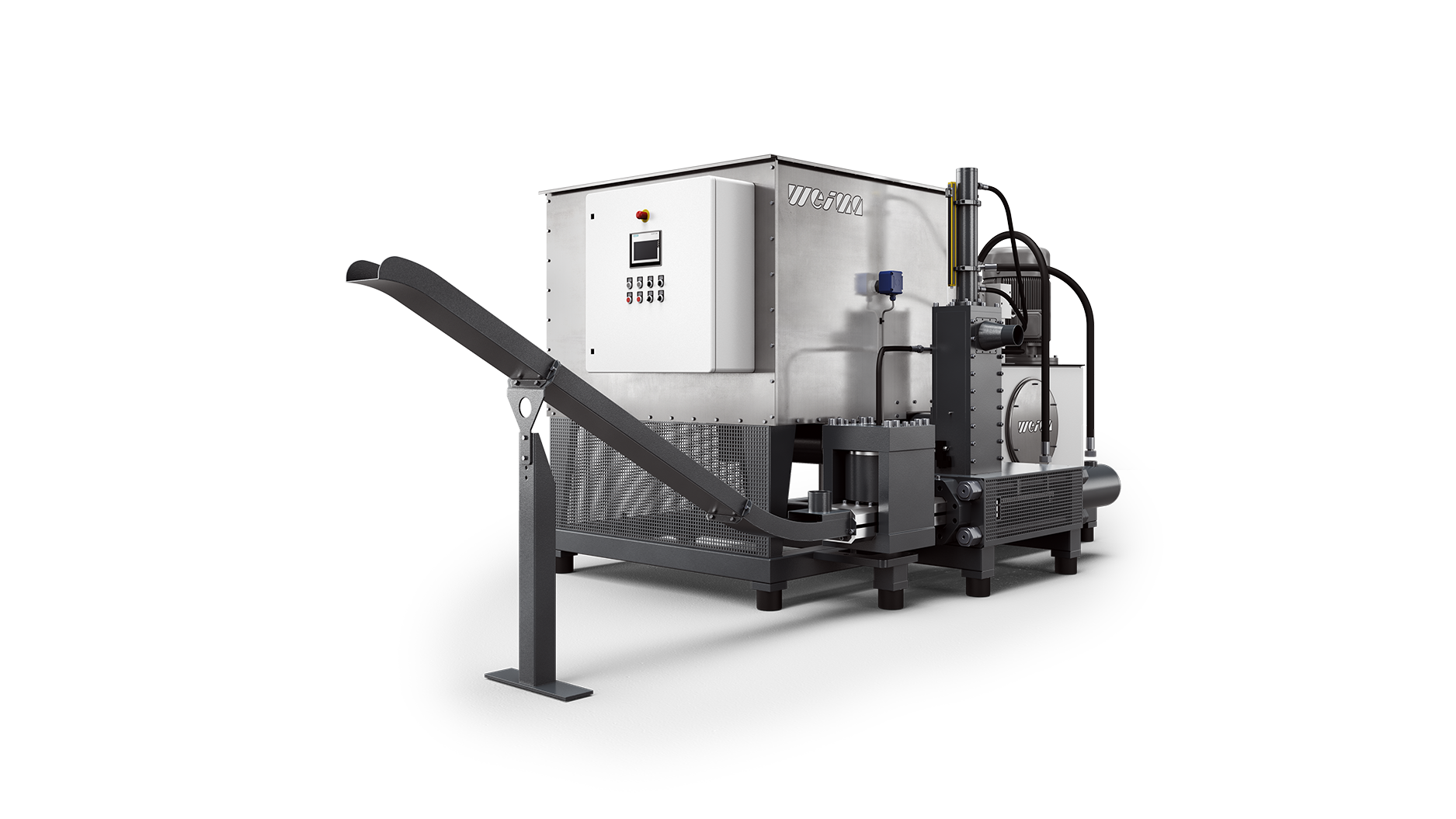
WEIMA portfolio for shredding and briquetting polyurethane foam
The right machine for any material


Did you know?
PU foam can be reduced in volume by up to 95% through briquetting. The initial density is often only 20-60 kg/m³, whereas briquettes achieve a density of 500-800 kg/m³. This corresponds to a 10 to 20-fold compression - ideal for reducing storage and transportation costs.
Garrido et al. (2017) – Thermochemical study of the briquetting process of mattress foams
Efficiently shred and briquette your PU foam now
Request a quote
Recycling PU foam
The most important facts at a glance


Convince yourself.
Shred your material on our machines now.
What are you looking for?
Explore all WEIMA solutions

