Bulk Bag (FIBC) Shredding & Recycling
From Big Bags to Super Sacks: Shredding for Efficient Recycling & Disposal
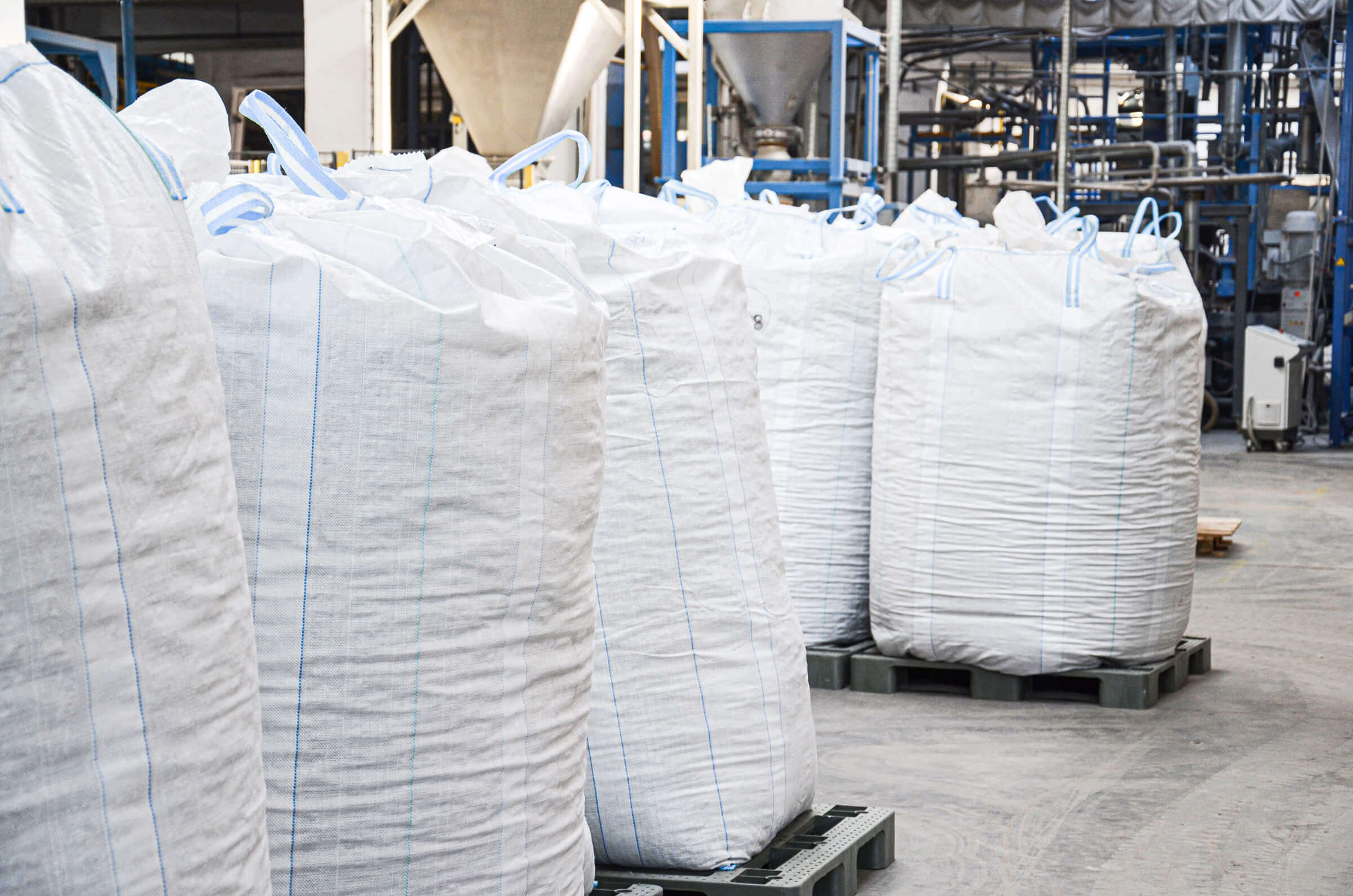

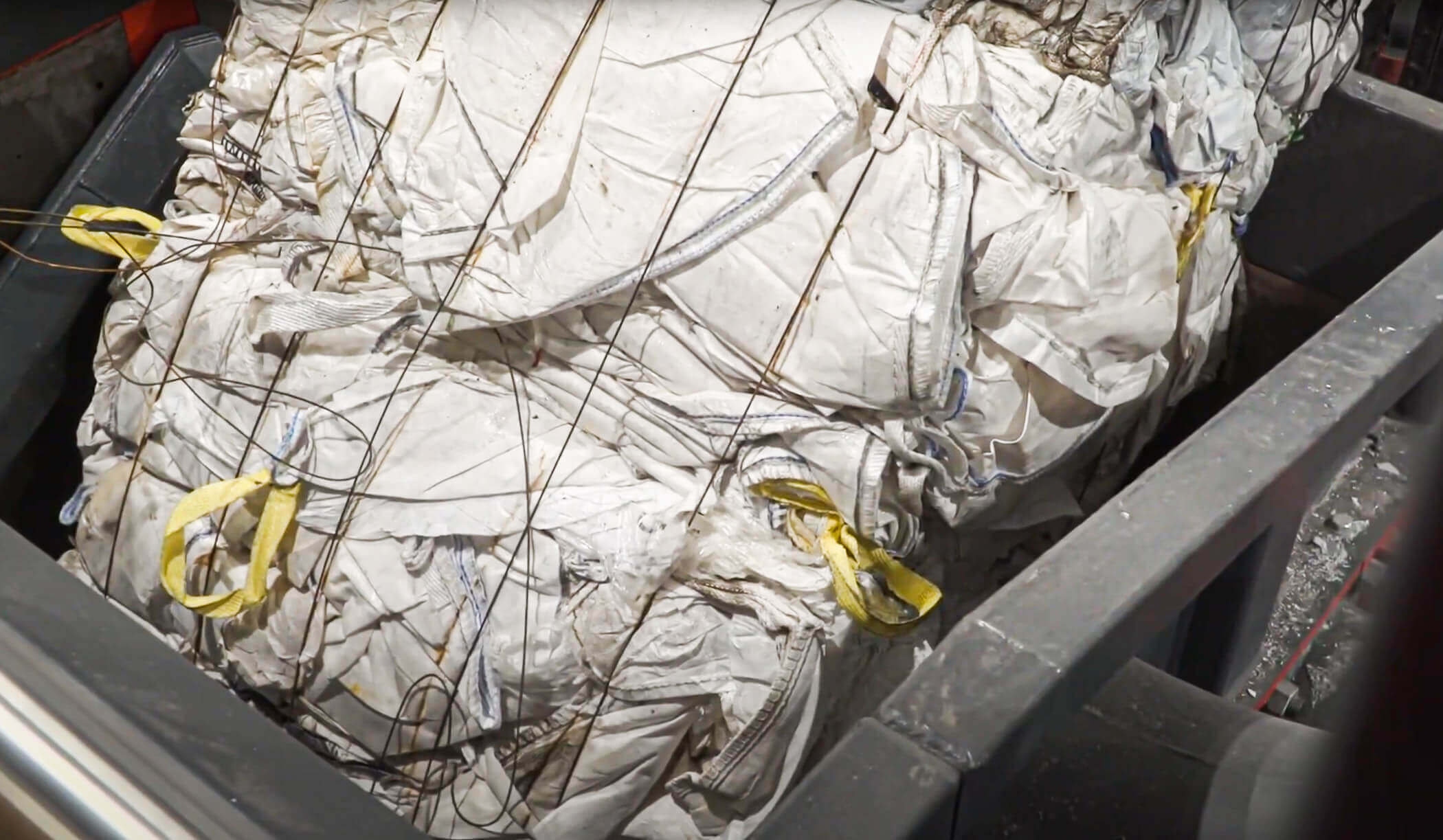
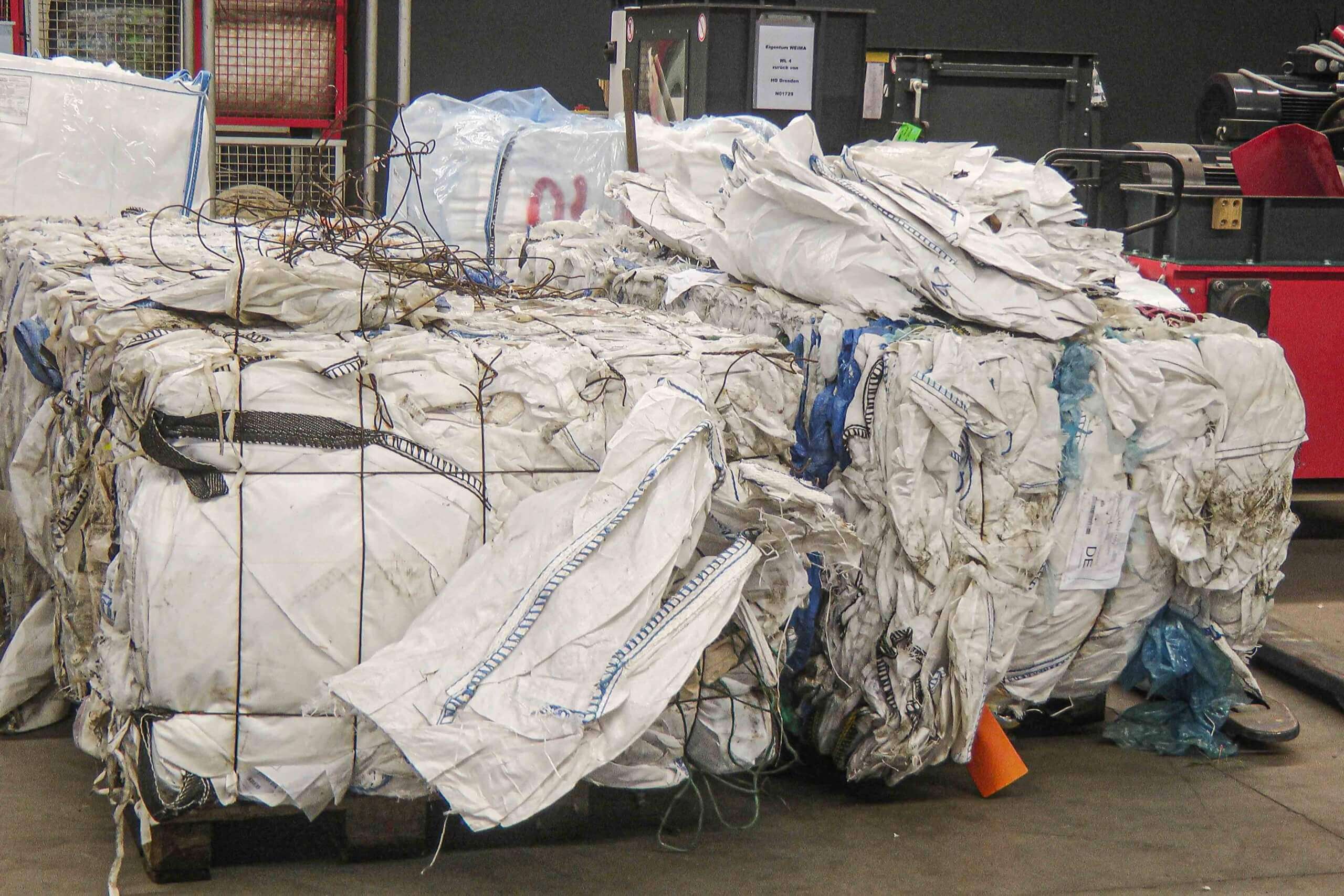
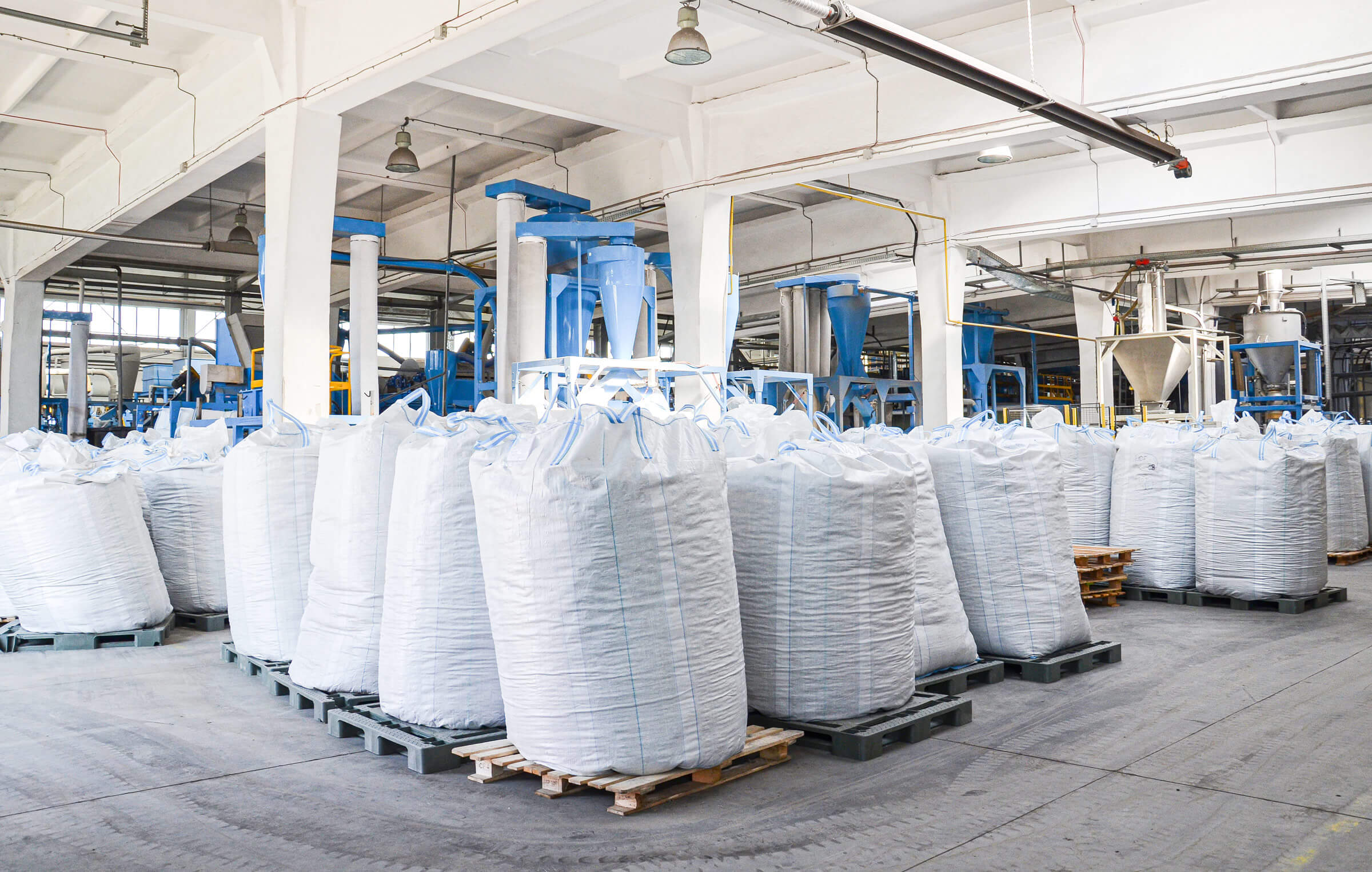
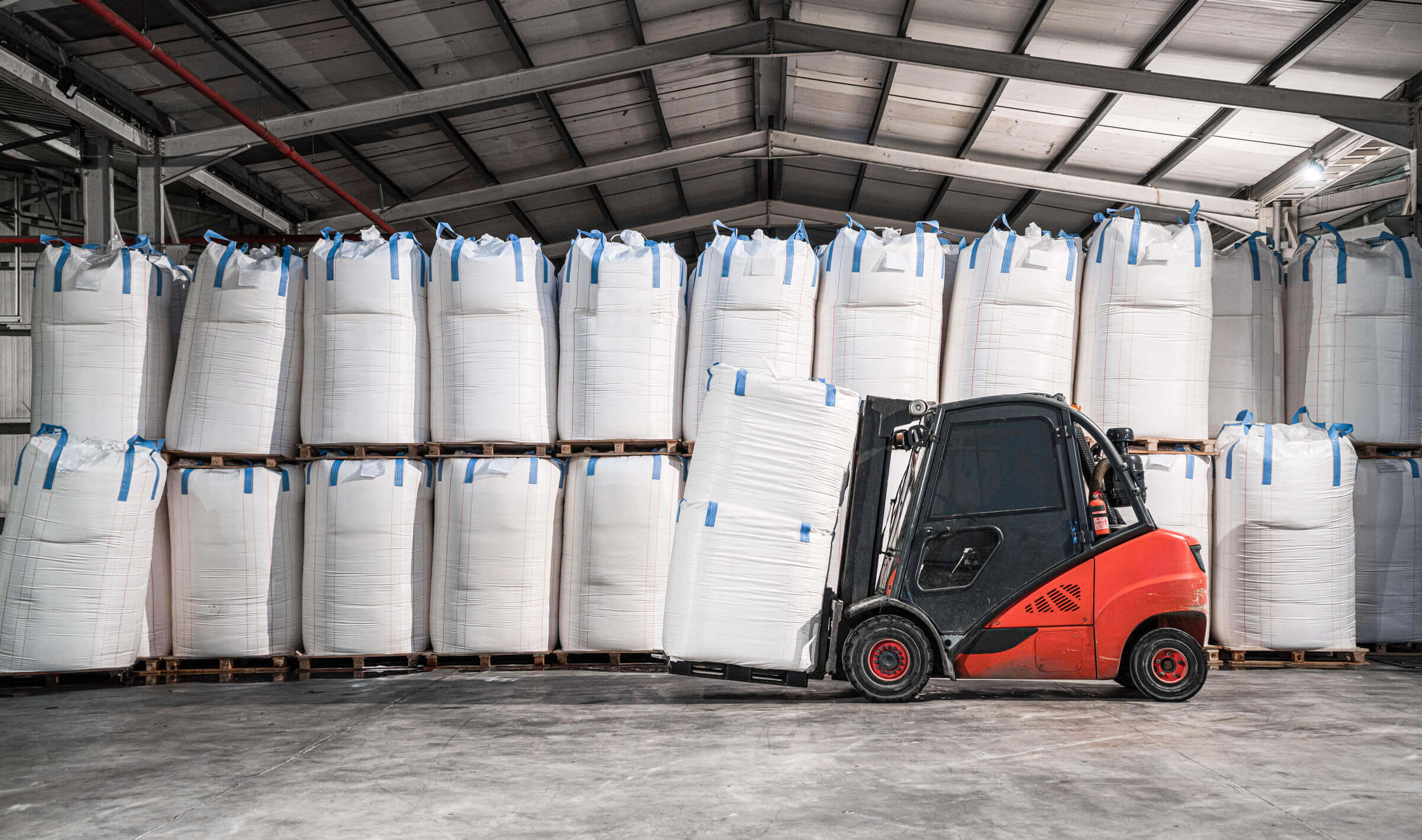
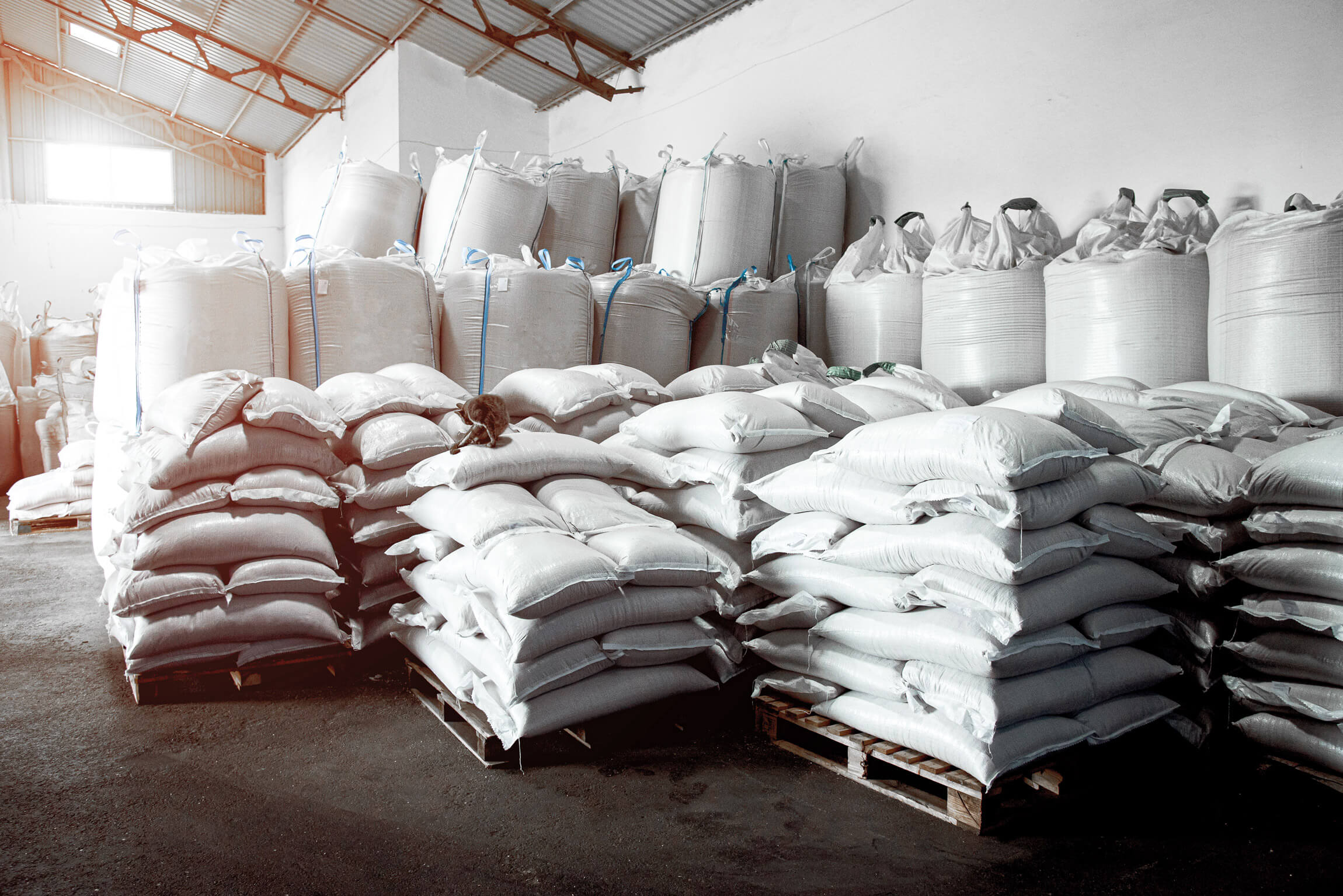
You’ll encounter it wherever heavy loads (particularly bulk goods) need to be transported quickly and safely: the popular and very rugged Big Bag. The English term caught on from the very beginning because it precisely describes what it is – a big bag. And it is extremely flexible to use. In addition to sea freight containers and europallets, big bags are standard equipment in any manufacturing industry that deals with logistics, transport and storage. But big bags are also made of fabric, which wears over time and with use. We will show you on this page how the subsequent proper disposal works in terms of the circular economy.
Customer applications: Big Bag shredding with WEIMA
Practical examples of successful shredding with WEIMA shredders

Want to tackle your waste problem?
Request a customized shredding solution now.
WEIMA portfolio for shredding Big Bags
The right machine for every material


Heavy duty machine design protects against increased wear
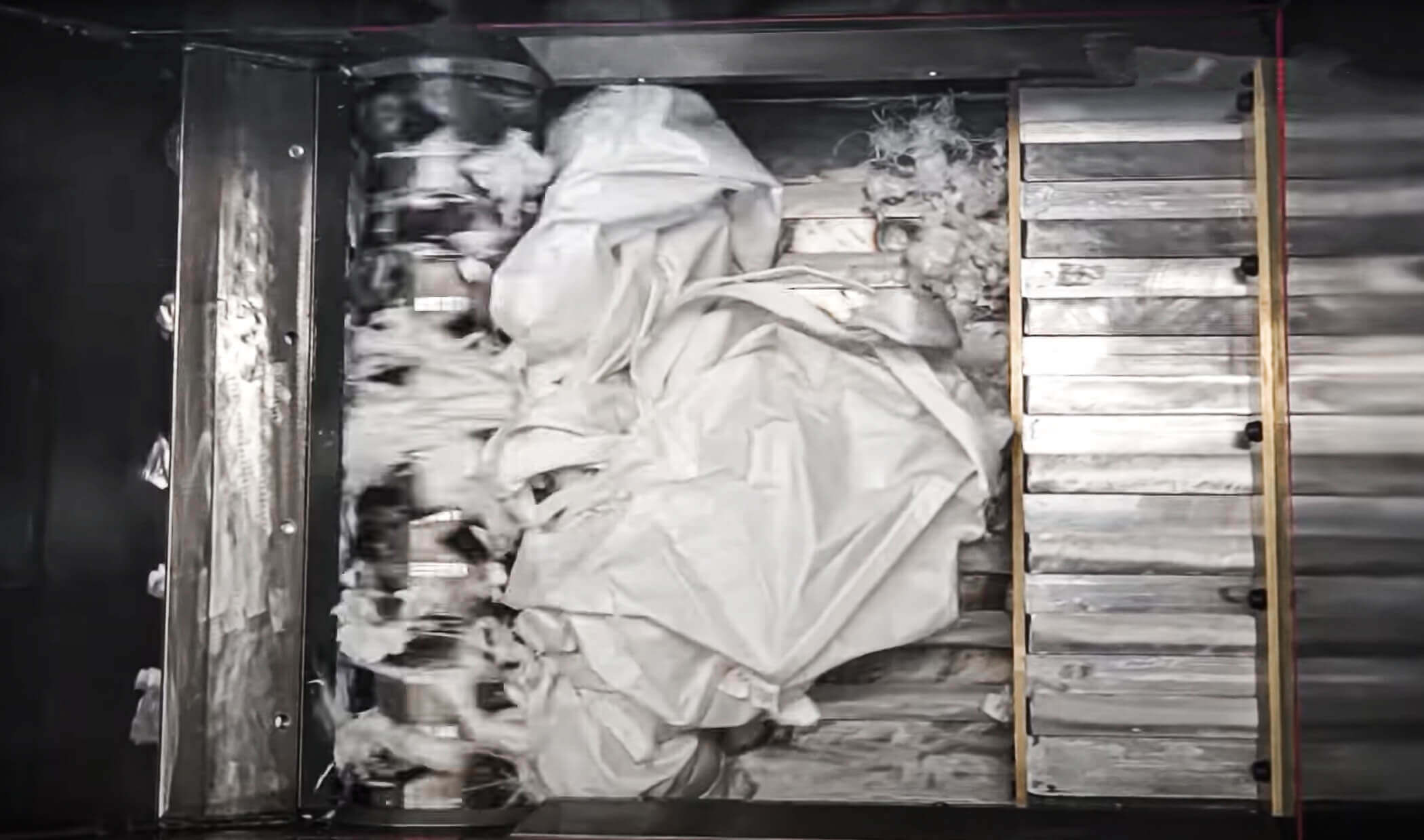
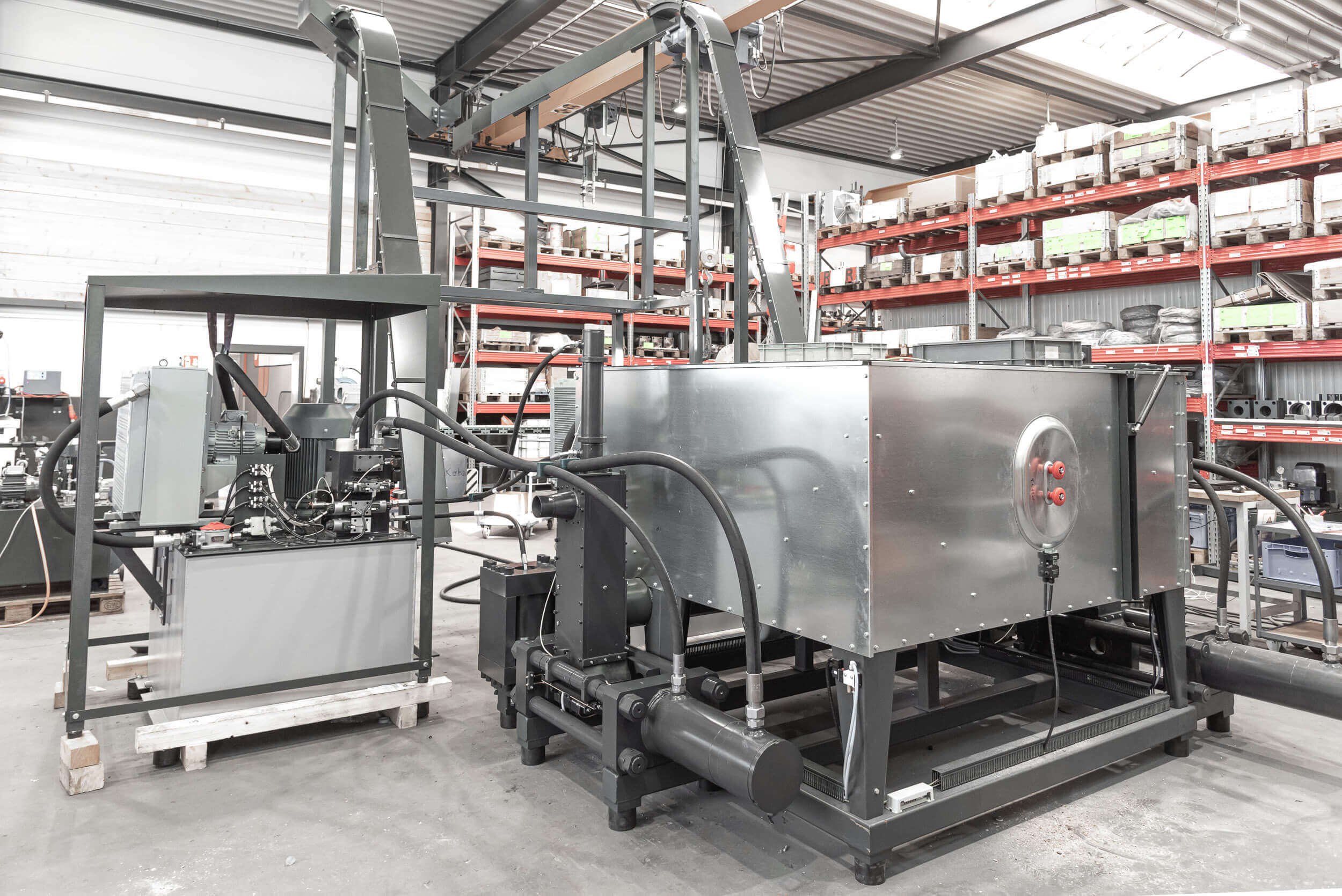
WEIMA shredders are designed for shredding heavily soiled or abrasive big bags. A robust machine frame, a rotor reinforced with Vautid and optional Creusabro linings in the cutting chamber provide reliable protection against wear. Large cutting blades up to 130 × 130 mm and reinforced screens with a wall thickness of approx. 20 mm ensure operation even with foreign objects in the material. This keeps downtimes to a minimum and the system permanently efficient – even under the toughest conditions.

Revestimento de rotor Vautid
Ideal for flexible materials – the F rotor
WEIMA is known for its precise cutting geometries. The F rotor is a prime example of this. Its cutting geometry and special knife arrangement are ideal for shredding flexible materials such as fibers and films. For extreme applications and contaminated material streams, we recommend additional wear protection made of Vautid, which protects the rotor.
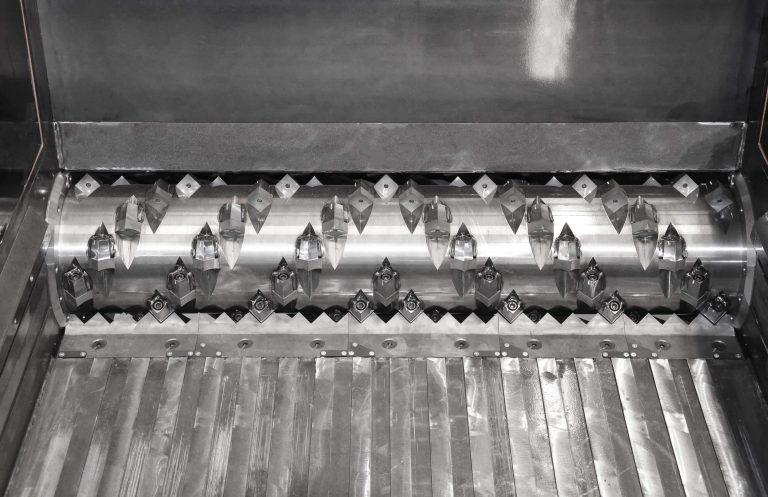
WEIMA F rotor for flexible material
Request your big bag shredder now
Request a quote
Recycling of Big Bags
The most important facts at a glance
Did you know?
The Swedish company Boxon produces big bags in Indonesia that consist of up to 96% recycled PET bottles. The equivalent of 50 bottles are required for a 2 kg big bag.
Nature as an example: using WEIMA to shred raffia strings, yarn and bast
Raffia is the natural counterpart to big bag plastic fibers made of polypropylene (PP). The main cultivation areas are Madagascar, South, West and East Africa. Raphia belongs to the palm family and is derived from its very long leaf fibers. Due to its tear resistance, raffia is ideal for the production of coarse yarn, knitting, mats, baskets, hats or other garments. Raffia is also used as a tying or braiding material for the cultivation of fruit and vegetables. WEIMA also offers the right shredding solution for shredding this natural product.


See for yourself.
Have your material tested free of charge in our test center.


Frequently Asked Questions about Big Bag Shredding
Everything you need to know about safely and efficiently shredding Super Sacks.
What are Big Bags made of, and are they recyclable?
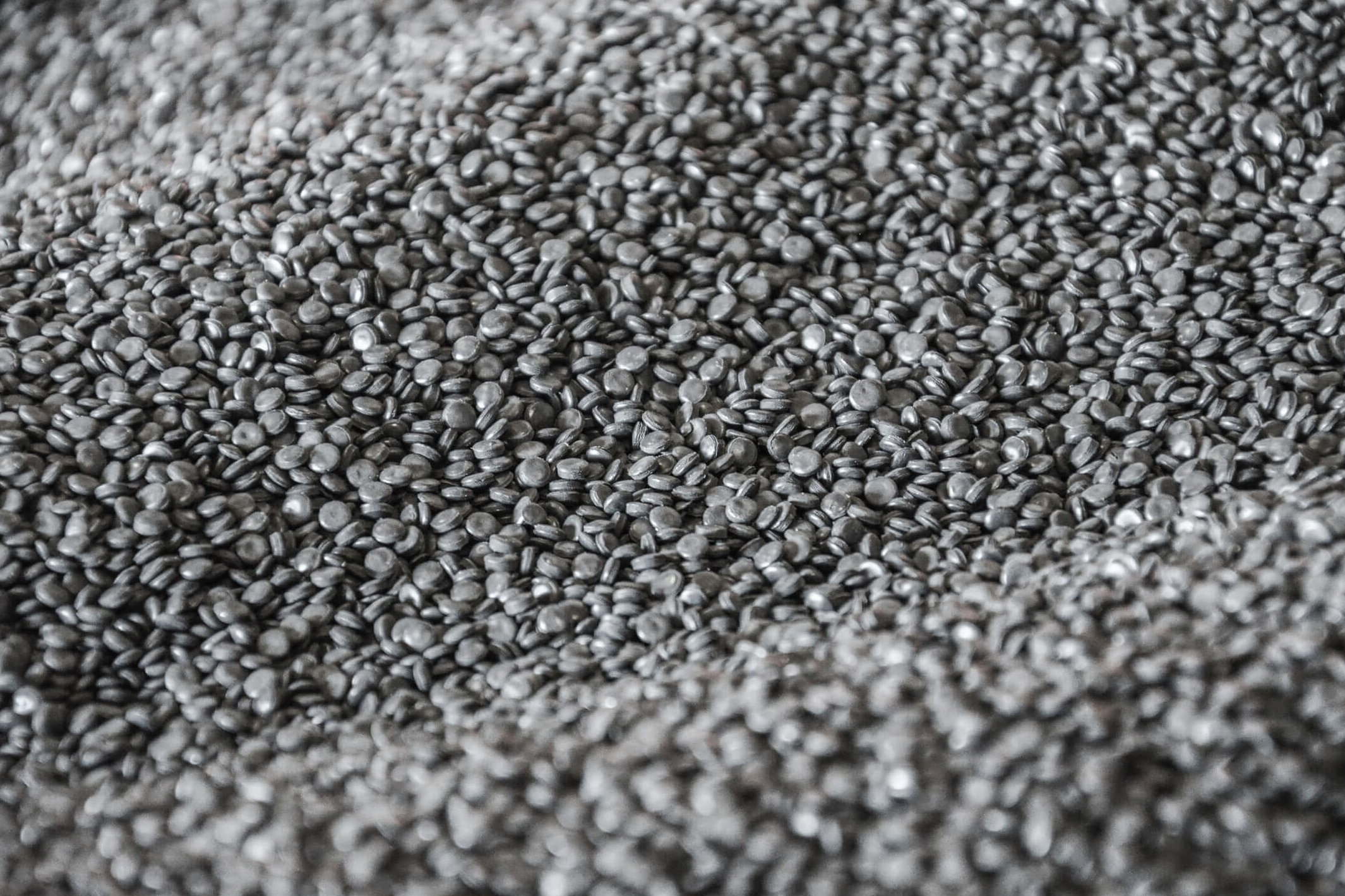
Most Big Bags (FIBCs) are made of woven polypropylene (PP) a fully recyclable thermoplastic. After shredding and washing, the flakes can be reprocessed through extrusion to produce high-quality regranulate for new packaging or products. With proper sorting and cleaning, Big Bags fit seamlessly into a closed-loop recycling system, reducing waste and supporting sustainability goals.
Do I need to pre-clean Big Bags, or can the shredder handle dirt and residue?
Light contamination is fine. WEIMA shredders can easily process bags with dust, sand, or minor product residues. For heavily soiled material, adding a wash line after shredding ensures cleaner flakes and protects your downstream equipment. Our machines feature robust rotors, wear-resistant components, and knife options that handle abrasive material streams. Removing visible metal parts before shredding helps protect the cutting chamber and maintain consistent output quality.
Which WEIMA shredder is best for Big Bags?
For most Big Bag applications, the WLK 1500 is a proven choice. It delivers reliable throughput and a uniform particle size. If you process higher volumes or mixed plastic streams, the W5 or S5/S7 series may be a better fit due to their modular design and high-torque performance. Shredders with a pusher system and F-rotor handle flexible woven polypropylene (PP) exceptionally well, ensuring smooth feeding and consistent shredding.
What output size should I aim for, and how is it controlled?
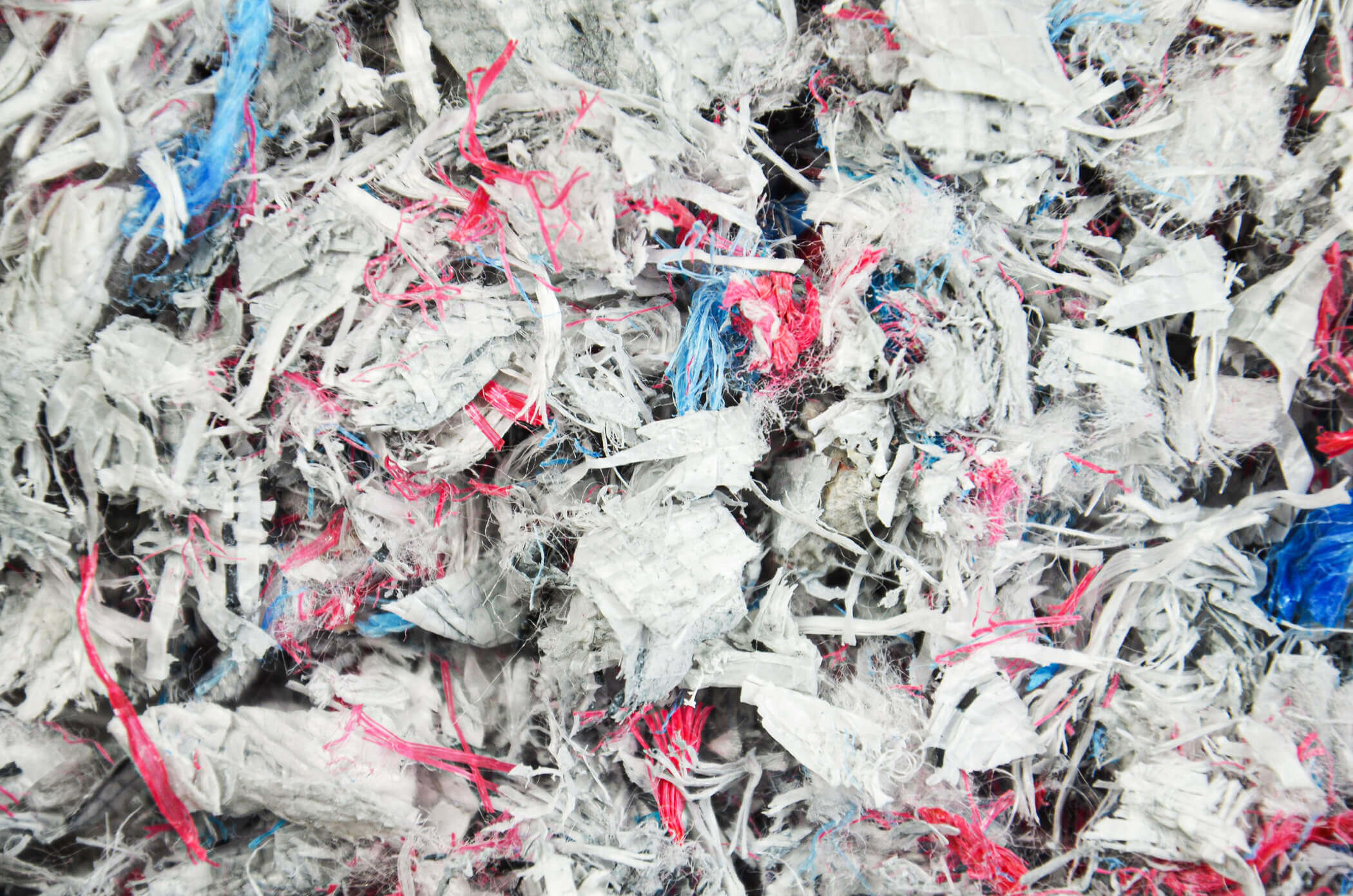
The screen below the rotor determines the final flake size. You can choose the screen opening based on what your wash line or extruder prefers — typically between 15–40 mm for post-consumer Big Bags. Smaller flakes wash and dry more efficiently, while larger ones reduce energy use during shredding. For reference, many production setups use a 20 mm screen for optimal balance between throughput and quality.
Can the shredder handle inner liners, straps, and stitching?
Yes. WEIMA shredders are designed for flexible plastics such as woven PP, PE films, and textile-like materials. The hydraulic pusher keeps lightweight material in constant contact with the rotor, while precision-engineered cutters and counter-knives shear through liners, straps, and stitching. Choosing the right rotor geometry and knife style ensures smooth feeding and long-term performance. Removing loose metal hooks or rings beforehand is still recommended.
How can I minimize wear from abrasive contaminants like sand or fillers?
Abrasive materials can accelerate wear, so WEIMA offers reinforced rotors, hardfaced wear protection, and optional liners for high-dust applications. Larger, impact-resistant knives and optimized cutting geometry for flexible materials further extend tool life. Removing visible metals or stones before shredding is good practice. Regular knife rotation and maintenance schedules help maintain stable throughput and flake quality.
What happens after shredding if I want to reuse the plastic?
After shredding, the flakes can be washed, dried, and pelletized into regranulate for reuse in new plastic products. The clean pellets can be used to make new films, molded parts, or packaging. If immediate processing isn’t possible, the shredded material can be compacted with a WEIMA briquetting press (e.g., TH 1200) for easy, space-saving storage.
Can I reduce the volume of shredded Big Bags for easier storage or transport?
Yes. After shredding, the material can be briquetted to reduce volume by up to 90%. A press like the WEIMA TH 1200 compacts loose plastic flakes into dense briquettes that are easier to store, handle, and transport. This is ideal for batch processing, shipping to toll recyclers, or intermediate storage before extrusion.
What are you looking for?
Explore all WEIMA solutions

